
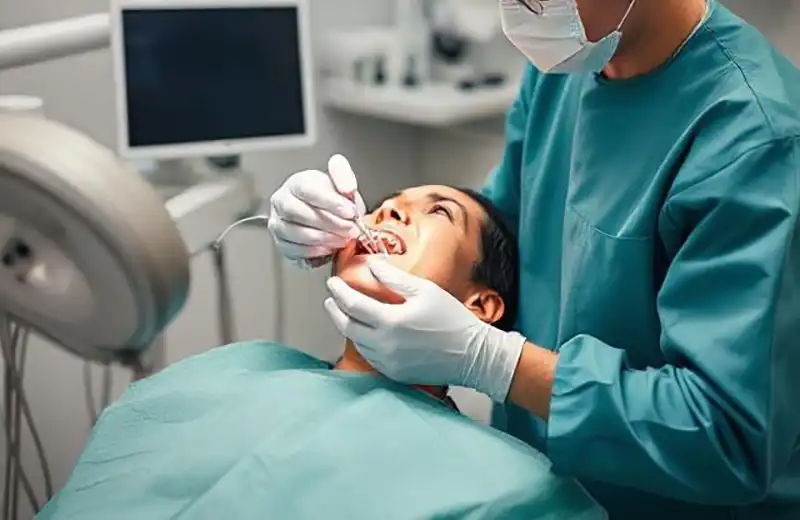
Most of us grew up hearing that brushing our teeth prevents cavities and keeps the dentist’s drill away. While that is undeniably true, this simplistic view barely scratches the surface of human biology. For decades, we have treated the mouth as if it were completely separate from the rest of the body, viewing dental appointments as a chore or mere cosmetic upkeep. However, modern medical research paints a vastly different picture.
The reality of Why Dental Care Matters More Than You Think goes far beyond achieving a pearly white smile or avoiding a toothache. Your mouth is the primary gateway to your body’s internal systems, and treating it with respect is a cornerstone of living a long, healthy, and vibrant life. From protecting your cardiovascular system to boosting your self-esteem, your dental routine is one of the most powerful preventative healthcare tools you possess.
How Your Mouth Influences Your Body
When exploring exactly how oral health affects overall wellness, we must look at the microscopic world inside your mouth. The human mouth is an incredibly complex ecosystem, teeming with billions of bacteria. Most of these microbes are harmless, some are highly beneficial, and others are potentially dangerous if allowed to multiply unchecked.
One of the most fascinating areas of contemporary scientific research is the role of oral microbiome in gut health. Every time you chew, swallow, or even drink a glass of water, thousands of bacteria travel from your oral cavity down into your digestive tract. A balanced, healthy oral microbiome promotes a stable and healthy gut, aiding in digestion and nutrient absorption. However, an overgrowth of harmful oral bacteria—often caused by poor brushing habits or high sugar intake—can disrupt your gastrointestinal flora. This imbalance can lead to digestive issues and weaken your body’s immune response.
Furthermore, managing these microscopic populations is essential for preventing chronic inflammation through dental hygiene. When sticky plaque builds up along the gumline, it triggers an immune response. Your gums become red, swollen, and prone to bleeding—a condition known as gingivitis. If left untreated, this localized inflammation doesn’t just stay in your mouth. It can spread systemically, putting your entire body in a constant state of low-grade alert. Chronic inflammation is known to be a driving factor behind cellular aging and numerous autoimmune conditions.
Systemic Conditions Linked to Oral Health
To truly understand the importance of dental care, we must examine the severe medical conditions directly influenced by the state of your teeth and gums.
Heart Health and Gum Disease
Did you know that ignoring bleeding gums could take a toll on your cardiovascular system? Cardiologists and periodontists alike have spent years studying the well-documented link between gum disease and heart disease. The aggressive bacteria responsible for advanced periodontitis can easily enter the bloodstream through micro-tears in inflamed gum tissue. Once in the vascular system, these bacteria can attach to fatty plaques lining the heart’s blood vessels. This contributes to arterial inflammation, increasing the likelihood of blood clots, heart attacks, and strokes.
Blood Sugar Complications
There is also a profound two-way connection between periodontal disease and diabetes. People living with diabetes are naturally more susceptible to developing severe gum disease because chronic high blood sugar levels weaken the body’s immune system and slow down the healing process. Conversely, the relationship works in reverse: having untreated, severe gum disease can cause blood sugar levels to spike unpredictably, making diabetes significantly harder to manage. Treating the gum disease has actually been shown to help lower HbA1c levels in diabetic patients.
Risks to Expecting Mothers
Pregnancy brings about a wave of hormonal changes that can cause “pregnancy gingivitis,” making gums hyper-sensitive to plaque. Expectant mothers must be particularly vigilant, as medical literature highlights a concerning impact of oral bacteria on pregnancy outcomes. Harmful oral bacteria that enter the bloodstream can stimulate the production of prostaglandins—compounds that can induce premature labor. Consequently, poor maternal oral health is strongly linked to an increased risk of premature birth and dangerously low birth weights.
Spotting the Red Flags
Often, your mouth acts as a reliable early warning system for your body. Paying close attention to signs of undiagnosed oral health issues can help you catch systemic problems before they escalate. Chronic bad breath (halitosis) that doesn’t resolve with brushing, sudden tooth sensitivity, gums that pull away from the teeth, or chronic dry mouth can all indicate underlying health conditions ranging from localized infections to undiagnosed diabetes or gastrointestinal reflux.
Beyond Physical Health
While the biological implications are vast, we cannot ignore the profound psychological benefits of a healthy smile. The physical act of smiling triggers the brain to release a cascade of feel-good neurotransmitters, including dopamine, endorphins, and serotonin. These chemicals act as natural pain relievers and antidepressants. When your teeth are clean, strong, and pain-free, you are naturally more inclined to smile and laugh openly.
On the flip side, untreated dental issues frequently lead to chronic anxiety, self-isolation, and depression. The social impact of dental health and self-esteem is undeniable in today’s visually driven society. Whether you are speaking at a major corporate job interview, going on a first date, or simply taking photos at a family gathering, feeling self-conscious about missing, stained, or decaying teeth can hold you back. People who hide their smiles often appear less approachable or less confident to others. Investing time in your daily oral hygiene is, quite literally, a direct investment in your mental well-being and social success.
Perfecting Your Routine
Achieving excellent oral health does not happen by accident; it requires intention and consistency. Cultivating the right daily habits for long-term tooth preservation is the single most effective way to avoid painful and expensive dental problems as you age.
Choosing Your Tools Wisely
A common debate among patients looking to upgrade their routine centers around the manual toothbrush vs electric for plaque removal. A standard manual toothbrush can absolutely be effective if used with perfect technique (brushing at a 45-degree angle to the gums for a full two minutes). However, most people fall short of this ideal. An electric toothbrush—particularly one with oscillating or sonic technology—generally removes significantly more plaque and reduces gingivitis much faster. The rapid micro-vibrations do the heavy lifting, while built-in pressure sensors prevent you from brushing too hard and damaging your enamel.
The Art of Flossing
Brushing, no matter how thorough, only cleans about 60% of your tooth’s surface area. The remaining 40% is hidden in the tight spaces between the teeth where a brush simply cannot reach. Skipping the floss leaves highly acidic bacterial colonies to thrive undisturbed.
For those who struggle with this habit, here is a highly effective, step-by-step guide to proper flossing technique:
- Step 1: Break off about 18 to 24 inches of dental floss. Wind the majority of it lightly around your middle fingers, leaving a one- to two-inch section open for your teeth.
- Step 2: Hold the floss tightly between your thumbs and forefingers.
- Step 3: Gently guide the floss between two teeth using a subtle zig-zag or sawing motion. Never forcefully “snap” the floss down into your gums, as this causes tissue damage and bleeding.
- Step 4: As the floss reaches the gumline, curve it into a tight ‘C’ shape against the side of one tooth.
- Step 5: Slide the floss gently up and down the side of the tooth to scrape away the invisible plaque.
- Step 6: Before pulling the floss out, repeat this ‘C’ shape motion on the adjacent tooth sharing that same gap. Unwind fresh floss as you move to the next space.
The Value of Professional Dental Care
Even if your at-home routine is absolutely flawless, it is not a complete substitute for visiting a licensed dentist. Understanding the distinct difference between a professional dental cleaning vs home care is crucial for longevity.
Over time, any plaque that is missed by your toothbrush hardens into a substance called calculus, or tartar. Once tartar forms, it bonds to the enamel and cannot be removed by brushing or flossing alone. Dental hygienists use specialized, sterile tools and ultrasonic scalers to safely shatter and remove this stubborn buildup, particularly in the deep pockets below the gumline where bone loss begins. Furthermore, dentists perform vital oral cancer screenings and take X-rays to spot microscopic decay between teeth before it reaches the nerve.
Professional visits also starkly highlight the restorative dentistry vs preventive care benefits. Preventive care—which includes your bi-annual cleanings, comprehensive exams, and fluoride treatments—is relatively inexpensive, quick, and virtually painless. Its entire goal is to preserve your natural anatomy. Restorative dentistry (which includes root canals, deep extractions, dental implants, and crowns) becomes necessary only when preventive measures are ignored. Restorative work is highly complex, takes multiple visits, and requires structural alteration of the mouth.
If you want to maintain a strong preventative routine, partnering with a knowledgeable local professional is vital. For example, scheduling an appointment at a modern, patient-focused clinic like https://dentistbaytowntx.com/ ensures you receive the thorough cleanings, personalized advice, and advanced diagnostics needed to keep your smile intact year-round.
Finally, one must consider the financial reality. The long-term cost of skipping dental checkups is financially staggering. A patient might skip a $150 routine cleaning to save money today, only to allow a silent cavity to grow into a severe infection. A few years down the line, that skipped appointment easily evolves into a $2,000 root canal and custom crown—not to mention the immense physical discomfort, reliance on antibiotics, and valuable time lost from work. Preventative dentistry is the ultimate form of financial and biological compound interest.
Choose Brian L. Porter DDS
Your mouth is not an isolated vacuum; it is a mirror reflecting the overall state of your physical and mental health. Taking diligent care of your teeth and gums is one of the most proactive, impactful forms of self-care you can practice. By prioritizing your oral hygiene today, you are actively protecting your heart, stabilizing your metabolism, securing your self-confidence, and protecting your hard-earned finances.
Brush twice a day with a high-quality tool, master the art of flossing, and never underestimate the value of your bi-annual dental appointments. When you treat your smile with the respect it deserves, your entire body will reap the rewards for decades to come.
Brian L. Porter, DDS
1109 E. James Ave.
Baytown, TX 77520
281-422-3415
View our Google Business Listing