
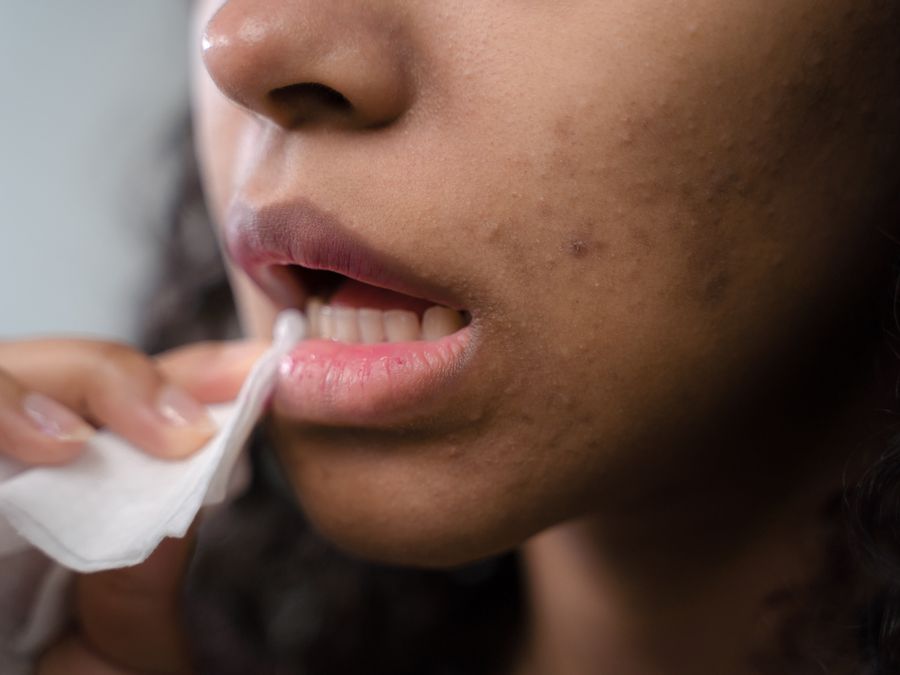
A dry mouth may seem like a minor inconvenience, especially when it happens occasionally after waking up, exercising, or drinking too little water. However, persistent dry mouth can affect more than your comfort. Saliva plays an important role in protecting your teeth, supporting healthy oral tissues, and helping you chew and swallow food.
If you are searching for a Dentist in Baytown TX, understanding the connection between saliva and oral health can help you recognize potential problems and know when to seek professional dental advice.
At Brian L. Porter, DDS, patients in Baytown, Texas, can receive personalized dental care designed to support their individual oral health needs. The practice provides preventive, general, restorative, and cosmetic dental services for patients of different ages.
This guide explains what causes dry mouth, how it may affect your teeth and gums, what you can do to support saliva production, and when a dental evaluation may be appropriate.
What Is Dry Mouth?
Dry mouth, also known as xerostomia, is the feeling that your mouth does not have enough saliva to remain comfortably moist. It may occur temporarily or persist over a longer period.
Saliva performs several important functions. It helps moisten food, makes swallowing easier, supports speech, and helps protect teeth against the acids produced by bacteria and certain foods.
Saliva also helps clear food particles from the mouth and supports the natural balance of the oral environment.
When saliva production decreases, your mouth may feel sticky or uncomfortable. You might notice difficulty swallowing dry foods, a frequent need to sip water, or an unpleasant feeling when speaking for extended periods.
Some people also experience changes in taste, persistent bad breath, or an increased tendency to develop dental problems.
Not everyone with dry mouth has the same symptoms, and the underlying cause can vary.
How Can Dry Mouth Affect Your Teeth?
1. Increased Risk of Tooth Decay
Saliva helps protect tooth enamel by clearing food debris and helping neutralize acids in the mouth.
When saliva is reduced, the mouth may become less effective at protecting teeth from acid attacks. Over time, this can increase the risk of cavities, particularly in areas where plaque accumulates or where the teeth are already vulnerable.
Cavities may develop on chewing surfaces, between teeth, or near the gumline.
You may not notice early decay because a cavity does not always cause pain in its initial stages. A dental examination can help identify problems that may not be visible or noticeable at home.
2. Greater Risk of Gum Problems
Dry mouth can make oral tissues feel irritated or uncomfortable. Although reduced saliva does not automatically mean you will develop gum disease, it can make maintaining a comfortable oral environment more difficult.
Plaque accumulation remains an important factor in gum inflammation. Brushing, cleaning between your teeth, and receiving appropriate professional care can help manage plaque and support gum health.
If your gums bleed frequently, appear swollen, or feel tender, ask a dental professional whether an evaluation is appropriate.
3. Persistent Bad Breath
Saliva helps wash away food particles and supports the natural environment of the mouth. When your mouth is dry, odors may become more noticeable.
However, dry mouth is only one possible cause of bad breath. Other factors include gum disease, tooth decay, certain foods, tobacco use, and some medical conditions.
If bad breath continues despite consistent brushing and cleaning between your teeth, a dental evaluation can help identify possible causes.
4. Difficulty Chewing and Swallowing
Saliva moistens food and helps form it into a consistency that is easier to swallow.
When your mouth is dry, eating crackers, bread, or other dry foods may become uncomfortable. You may need to sip water more frequently during meals.
Persistent difficulty swallowing should not automatically be attributed to dry mouth. If swallowing problems continue, consult a healthcare professional to determine the cause.
5. Irritation of the Mouth and Lips
Reduced moisture can cause the lips, tongue, and other oral tissues to feel uncomfortable.
Some people experience a burning sensation, a rough or sticky feeling, or irritation when eating certain foods.
If these symptoms persist, a dentist or other healthcare professional can help assess whether dry mouth, medication effects, infection, or another condition may be involved.
What Causes Dry Mouth?
Dry mouth can have several causes. Identifying the underlying reason is important because the most appropriate response depends on what is contributing to the problem.
Medications
Many prescription and over-the-counter medications can contribute to dry mouth. These may include certain medications used for allergies, depression, anxiety, high blood pressure, and other health conditions.
If your symptoms began after starting a medication or changing a dose, discuss the timing with your healthcare provider.
Do not stop taking prescribed medication without consulting the clinician who manages it.
Dehydration
Not drinking enough fluids, excessive sweating, vomiting, or diarrhea can contribute to dehydration and dry mouth.
Staying adequately hydrated may help when dehydration is the cause. However, persistent symptoms should be evaluated rather than assumed to result from insufficient water intake alone.
People who have been advised to restrict fluids for medical reasons should follow their healthcare provider’s instructions.
Mouth Breathing
Breathing through your mouth, particularly during sleep, can cause dryness.
Nasal congestion and other conditions may contribute to mouth breathing. If you frequently wake up with a dry mouth or experience ongoing nasal obstruction, discuss the symptoms with an appropriate healthcare professional.
Medical Conditions
Certain health conditions can affect saliva production or contribute to dry mouth. Examples include diabetes and Sjögren disease, an autoimmune condition that can affect moisture-producing glands.
Dry mouth alone does not establish that someone has a particular medical condition. A healthcare professional can determine whether further evaluation is needed based on your symptoms and medical history.
Tobacco and Other Lifestyle Factors
Tobacco use and some lifestyle habits may contribute to oral dryness or irritation.
Frequent consumption of sugary beverages can also increase cavity risk, particularly when saliva protection is reduced.
If you experience persistent dry mouth, consider discussing your daily habits, medication use, and symptoms with a dental or medical professional.
For additional background, the American Dental Association provides information about dry mouth and xerostomia.
How to Protect Your Teeth When You Have Dry Mouth
Although the best approach depends on the cause, several practical steps may help support your oral health.
Drink Water Regularly
Sipping water throughout the day may help relieve mild dryness.
Keep water available when possible, particularly during activities that leave you feeling thirsty. If you have a medical condition that affects fluid intake, follow your healthcare provider’s guidance.
Water may relieve the sensation of dryness, but it does not replace professional evaluation when symptoms persist.
Brush With Fluoride Toothpaste
Brush your teeth twice daily with fluoride toothpaste, using a soft-bristled toothbrush and a gentle technique.
Fluoride helps strengthen tooth enamel and makes teeth more resistant to acid attacks. It is particularly important to maintain a consistent oral hygiene routine if you have factors that increase your risk of cavities.
Clean between your teeth daily with floss or another suitable interdental cleaning tool.
The American Dental Association provides additional guidance on home oral care.
Reduce Frequent Sugary Snacks and Drinks
Cavity-causing bacteria use sugars to produce acids that can damage tooth enamel.
Frequent exposure to sugary foods and drinks can increase the risk of tooth decay. If you have dry mouth, limiting these exposures is especially worth discussing with your dental team.
Choose water as your usual beverage when appropriate, and consider balanced snacks that are less likely to leave sugary residue on your teeth.
Consider Sugar-Free Gum
Sugar-free gum may stimulate saliva production in people who can chew gum safely.
It can be a useful option for some adults, although it does not address every cause of dry mouth.
Ask your dentist whether sugar-free gum or another saliva-stimulating product is appropriate for your circumstances.
Be Careful With Products That Can Worsen Dryness
Some mouthwashes and oral products may irritate sensitive tissues or contribute to discomfort.
If you have persistent dry mouth, ask your dental professional about products formulated for dry-mouth symptoms. Avoid assuming that every mouthwash or breath-freshening product will help.
Avoid Tobacco
Tobacco can adversely affect oral health and may contribute to irritation and other problems.
If you use tobacco, consider discussing cessation support with a qualified healthcare professional.
Why Regular Dental Visits Matter for People With Dry Mouth
When saliva production is reduced, routine dental care becomes an important part of monitoring your oral health.
A dental visit may include an examination of your teeth and gums, a review of your symptoms, and an assessment of factors that could increase your risk of cavities.
Depending on your individual needs, your dentist may recommend professional cleaning, fluoride treatments, changes to your home-care routine, or other preventive measures.
Your recommended recall schedule should be based on your oral health and individual risk factors. Not every patient requires the same appointment interval.
A dentist can also help determine whether symptoms suggest a dental concern that needs treatment or whether further medical evaluation may be appropriate.
Learn more about the practice’s dental cleanings and examinations in Baytown.
When Should You See a Dentist in Baytown TX?
Occasional dryness may improve after drinking water or addressing a temporary cause. However, ongoing symptoms deserve attention, especially if they affect eating, speaking, or your ability to maintain oral hygiene.
Consider arranging a dental evaluation if you experience:
- Dry mouth that persists or frequently returns.
- An increase in cavities or tooth sensitivity.
- Frequent gum irritation or bleeding.
- Persistent bad breath.
- Difficulty chewing dry foods.
- A burning or uncomfortable sensation in your mouth.
- Repeated oral discomfort despite consistent home care.
A dentist can examine your mouth, discuss your symptoms, and help identify possible dental causes.
Seek prompt dental or medical attention if you develop significant swelling, fever associated with oral symptoms, or difficulty swallowing. Difficulty breathing or rapidly worsening swelling requires emergency medical attention.
Do not assume that every oral symptom is caused by dry mouth. An examination can help determine what may be happening and which next steps are appropriate.
Frequently Asked Questions About Dry Mouth and Dental Care
Can dry mouth cause cavities?
Yes. Reduced saliva can weaken the mouth’s natural defenses against acids and food debris, increasing the risk of tooth decay. The degree of risk depends on several factors, including oral hygiene, diet, medication use, and individual oral health.
Is dry mouth always caused by dehydration?
No. Dry mouth can be associated with medications, mouth breathing, medical conditions, and other factors. Drinking water may help relieve symptoms caused by mild dehydration, but persistent dryness may require further evaluation.
How can I protect my teeth if I take medication that causes dry mouth?
Continue brushing twice daily with fluoride toothpaste and cleaning between your teeth daily. Drink water as appropriate, limit frequent sugary exposures, and discuss preventive options with your dentist. Speak with your prescribing healthcare professional before changing any medication.
Should I see a dentist even if my teeth do not hurt?
Yes, regular dental visits can help identify certain oral health problems before they cause noticeable symptoms. Your dentist can recommend an appropriate schedule based on your needs and risk factors.
Does dry mouth mean I have gum disease?
No. Dry mouth does not automatically indicate gum disease. However, persistent dryness can make oral comfort and hygiene more challenging. A dental examination can help evaluate your gums and identify any concerns.
Where can I find a dentist in Baytown TX for a dental examination?
Brian L. Porter, DDS provides general and preventive dental care in Baytown, Texas. Patients can contact the office to discuss their dental needs and request an appointment.
Schedule Your Dental Visit With Brian L. Porter, DDS
Dry mouth can affect your comfort, your ability to eat, and your risk of developing dental problems. Understanding its possible causes and maintaining an appropriate oral hygiene routine can help you take steps toward protecting your teeth.
If you are looking for a Dentist in Baytown TX, Brian L. Porter, DDS offers preventive, general, restorative, and cosmetic dental care for patients in Baytown and surrounding communities.
The practice is located at:
Brian L. Porter, DDS
1109 E. James Ave.
Baytown, TX 77520
Phone: 281-422-3415
To discuss your dental concerns or request an appointment, visit the official contact page for Brian L. Porter, DDS.
Your dental team can help you understand your oral health needs and discuss appropriate options for maintaining a comfortable, healthy smile.
Disclaimer: This article is for general educational purposes only and is not a substitute for professional dental or medical advice, diagnosis, or treatment. Individual symptoms and treatment needs vary. Consult a qualified healthcare professional about persistent dry mouth or other oral health concerns.